


September 21, 2026 Co-Writing Strategies: How to Share the Work and Write a Better Book
INTRODUCTION
Writing a book or article does not have to be a solo effort. Teaming up with another author brings fresh ideas and splits the workload. While keeping an eye on the watch to meet deadlines is helpful, co-writing requires clear communication and a solid plan to work well. Sharing the creative responsibilities helps you finish projects faster and produce better content. Let us look at how to make your publishing partnership successful.

Setting Clear Goals and Roles
Before typing a single word, you and your partner need to agree on who does what. Decide if one person will outline while the other drafts, or if you will take turns writing alternate chapters. Setting these expectations early prevents arguments later. It helps keep the project moving forward without stepping on each other’s toes. Knowing your specific tasks makes the daily writing routine much easier to manage.
Choosing the Right Tools for Collaboration
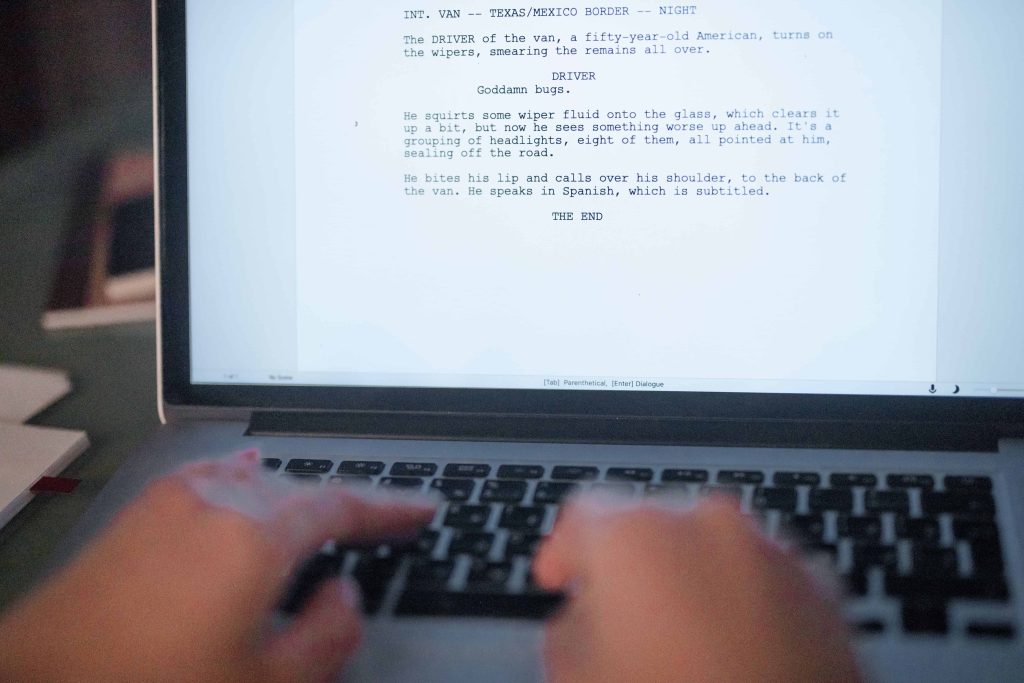
Sharing files back and forth via email gets messy quickly. Use cloud-based software like Google Docs or Scrivener to see changes in real time. Leave comments for each other and track revisions so nothing gets lost. Having a shared space keeps both writers on the same page literally and figuratively. This setup prevents accidental deletions and ensures you are always working on the most recent version of your manuscript.
Developing a Unified Voice
When two people write one piece, the tone can sometimes sound disjointed. Read your drafts aloud to catch any weird shifts in style. You might want one person to do the final edit to smooth out the sentences and make it sound like a single author wrote it. Consistency keeps readers engaged from start to finish. Blending your styles takes a bit of practice but makes the final product highly readable.
Handling Disagreements Constructively
You will eventually disagree on a character’s choice or a specific phrasing. Approach these moments with an open mind instead of getting defensive. Talk through the reasons behind your ideas and look for a middle ground. A healthy debate often leads to better content than either of you would have created alone. Remembering that you both want the best for the project helps keep these conversations friendly and productive.

CONCLUSION
Wrapping up a collaborative writing project takes patience and a lot of shared effort. By establishing clear roles, using the right software, blending your writing styles, and communicating openly during disagreements, you set your partnership up for success. Sharing the creative process reduces stress and often results in a much stronger final manuscript. Whether you are drafting a fiction novel or an informative article, working together allows you to pool your strengths. Your next great story is just waiting to be written with a partner by your side.
KEY TAKEAWAYS
- Define each writer’s responsibilities before starting. Decide clearly who is outlining, drafting, or editing so that neither of you steps on the other’s toes during the process. Setting these expectations early prevents confusion later.
- Use cloud-based writing platforms for easy file sharing. Working in the same document in real time prevents lost work and messy email chains. Tools like Google Docs ensure you are always looking at the most recent version.
- Edit the final draft together to create one consistent voice. Reading the text aloud helps you catch awkward transitions and makes the final product sound like a single author wrote it. This step is necessary to keep readers engaged.
- Treat disagreements as chances to improve the story. Approach differing opinions about a character or plot point with an open mind. A healthy debate usually leads to a much stronger final manuscript than working alone.
- Communicate regularly to keep the project on schedule. Checking in with your partner keeps the momentum going. Always keep an eye on the watch and your shared calendar to help both of you hit your deadlines without stress.
Frequently Asked Questions
How do co-authors divide the workload?
Authors often divide tasks based on their individual strengths. One person might be excellent at plotting the story structure, while the other excels at writing natural dialogue. Discuss your skills openly to assign tasks that make the writing process enjoyable.
What happens if one person stops writing?
Life events sometimes get in the way of a writing schedule. If your partner needs a break, have an open conversation about adjusting the timeline. You can pause the project entirely or agree that one person will keep writing alone.
Can co-writers live in different countries?
Yes, modern technology makes long-distance partnerships incredibly easy. You can use video calls for brainstorming sessions and share documents online to write simultaneously. Just be mindful of time zone differences when scheduling your meetings to respect each other’s daily schedules.
Taking the next big step in your writing career often requires financial support that can be hard to track down on your own, so I highly recommend reading through our new guide about funding for upcoming authors in 2026 to discover programs that want to pay you to sit down and finish your book.
