


November 23, 2026 Why Diversity in Children’s Books Matters for Every Reader
INTRODUCTION
Every time a child opens a book, they step into a new world. What they see in those pages shapes their understanding of themselves and the people around them. Promoting diversity in literary works and publishing practices ensures that all children feel seen, valued, and respected. In this article, you will discover the core benefits of inclusive children’s literature, the current state of publishing, and practical ways to bring a wider variety of voices onto your shelves.
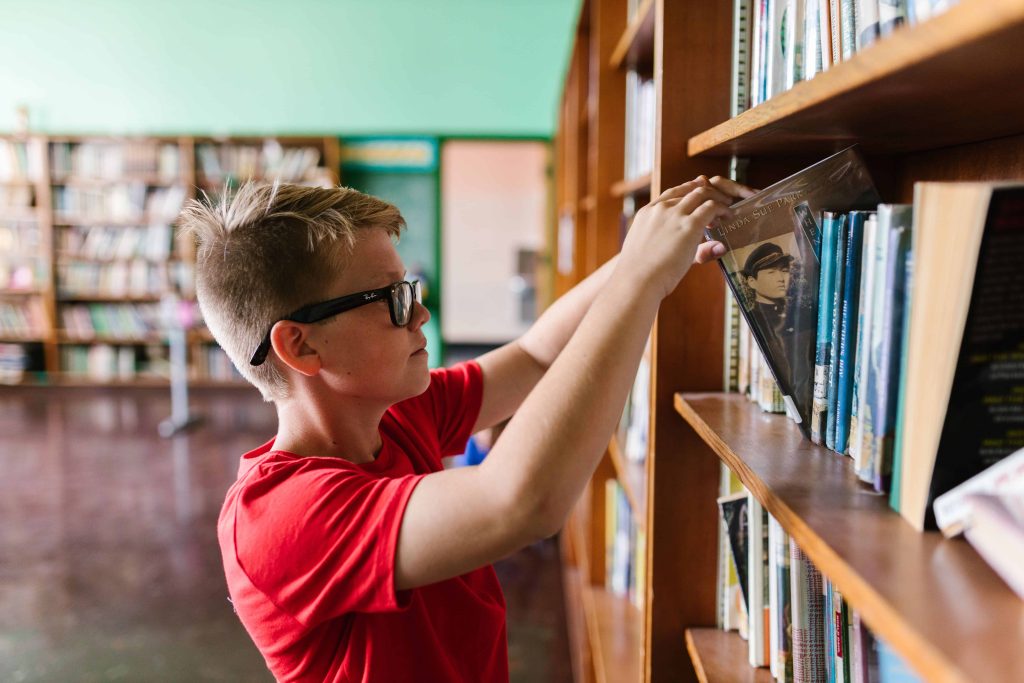
The Mirror and Window Effect
Many literary experts refer to books as mirrors and windows. When a book acts as a mirror, children see characters who look like them, share their cultural background, or experience similar family dynamics. This validates their existence and builds self-confidence. When a book acts as a window, it offers a view into someone else’s reality. Reading about different cultures, abilities, and daily lives helps young readers recognize the vastness of the world beyond their own neighborhoods.
Developing Empathy Through Inclusive Stories
Children naturally notice differences from a very young age. Introducing them to diverse characters in storybooks gives parents and educators a gentle, accessible way to talk about those differences. When kids read about a protagonist experiencing life in a wheelchair or celebrating a different religious holiday, they practice empathy. They learn to relate to the feelings of others, which translates to kinder, more inclusive behavior in their real-life classrooms and playgrounds.
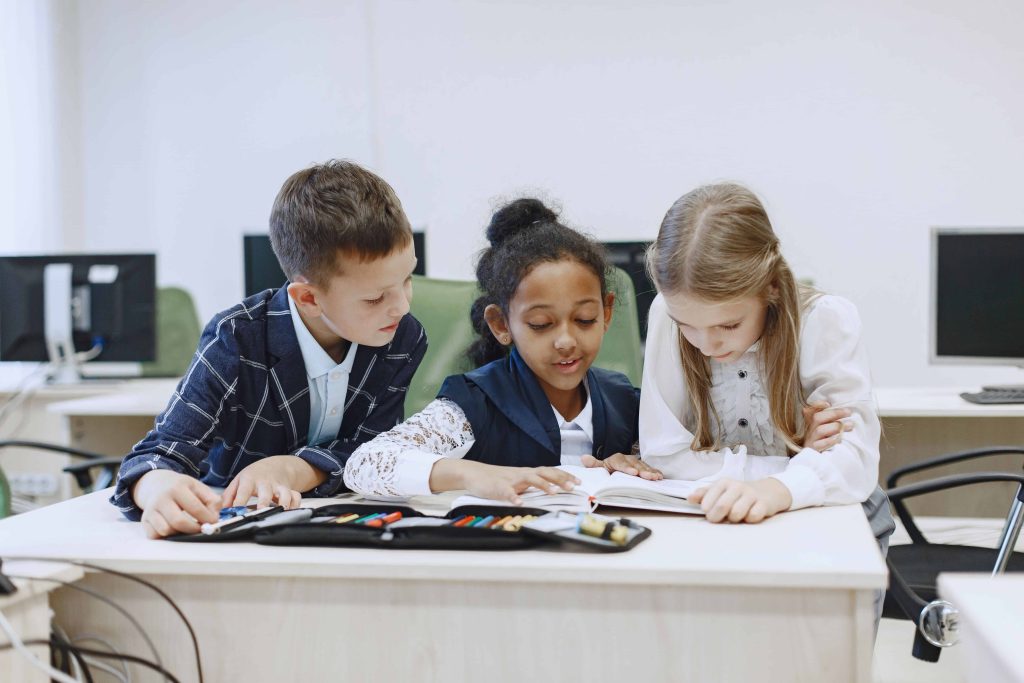
Authentic Representation Over Stereotypes
Having a wide variety of faces on a book cover is just the starting point. Authentic representation means characters are fully realized humans rather than flat caricatures.
Everyday Magic
Readers need stories where diverse characters experience everyday magic, solve ordinary mysteries, or go on grand adventures. Books should not limit marginalized characters to stories solely focused on historical struggles or civil rights. Seeing a diverse cast of children simply having fun at the park or building a spaceship in their backyard is just as necessary for normalizing inclusion.
Progress in Children's Publishing
The publishing industry has made noticeable strides in recent years. Organizations tracking literary trends note a steady increase in books featuring diverse protagonists. More publishers are actively seeking out authors and illustrators from marginalized communities to tell their own stories. This shift brings a level of authenticity that outside observers cannot easily replicate. While gaps still exist, the ongoing push for broader representation means readers now have access to a richer variety of titles than previous generations did.
Curating a Better Bookshelf
Parents, teachers, and librarians hold the power to shape reading habits. You can create a more inclusive environment by auditing the books currently available in your home or classroom. Look at the authors, the main characters, and the settings. If they all reflect one specific demographic, actively seek out new voices. Visiting local libraries, following literary awards that celebrate minority authors, and participating in community book swaps are excellent ways to discover new favorites.

CONCLUSION
Reading shapes the minds of the next generation. Ensuring that young readers have access to a wide array of voices, backgrounds, and experiences gives them the tools to understand a diverse society. As publishers continue to expand their catalogs, parents and educators must remain proactive in selecting books that reflect the real world. Filling bookshelves with both mirrors and windows allows every child to feel a profound sense of belonging while learning to respect the unique lives of those around them. The stories we share today will shape the inclusive communities of tomorrow.
KEY TAKEAWAYS
- Books act as mirrors that validate a child’s identity and windows that introduce them to different perspectives.
- Reading inclusive stories helps children develop empathy and understanding toward people from various backgrounds.
- Authentic representation requires portraying diverse characters in everyday situations, not just historical struggles.
- The publishing industry is increasing the number of diverse voices, though continued effort is needed to close the gap.
- Parents and educators can actively improve representation by intentionally auditing their current book collections.
Frequently Asked Questions
What does diversity in children’s books mean?
It means including characters and stories that represent various races, ethnicities, abilities, genders, and family structures. This ensures the literature accurately reflects the makeup of society and allows all children to see themselves in the stories they read every day.
Why is representation important for young readers?
Representation validates a child’s experiences and builds their self-confidence. When children read books featuring characters from different backgrounds, they develop empathy, reduce personal biases, and learn to appreciate the wide variety of people they will interact with throughout their lives.
How can I find diverse books for my child?
You can ask your local librarian for recommendations or check lists from organizations dedicated to inclusive literature. Searching for awards that recognize minority authors is another excellent way to discover authentic, highly-rated books to add to your home collection.
Readers interested in how Singapore’s literary landscape continues to evolve can explore the Singapore Book Awards and their connection to the country’s emerging authors, gaining a broader perspective on the writers and literary developments shaping Singapore’s publishing scene.
